Managing Moisture in Canadian Below-Grade Spaces
A reference covering interior drainage, exterior membrane systems, vapour barriers, and the practical steps involved in finishing a dry, usable basement in Canada's variable climate.

Articles
Waterproofing & Renovation Topics
Three focused topics covering the main approaches to keeping a basement dry and the foundational steps in converting it into a living area.
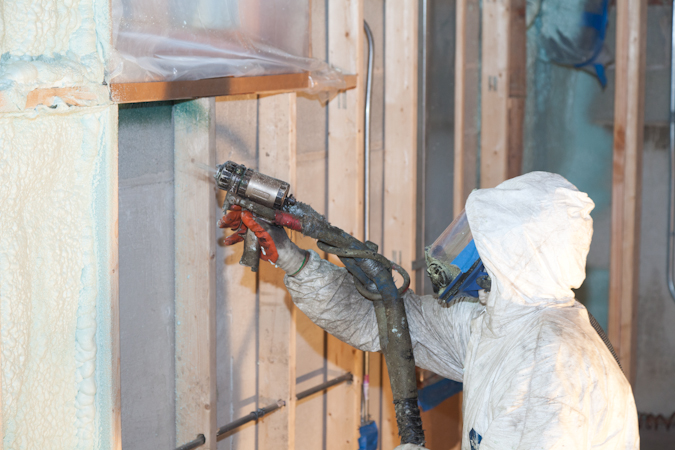
Interior Waterproofing
Interior Waterproofing Methods for Canadian Basements
A look at interior drainage channels, sump pump systems, crystalline coatings, and spray foam applications used to control water intrusion from the inside.
Read article →
Exterior Waterproofing
Exterior Waterproofing: A Planning Guide for Below-Grade Foundations
Planning considerations for exterior excavation, waterproofing membranes, drainage board, and weeping tile replacement in residential foundations.
Read article →
Moisture Barrier
Moisture Barrier Installation in Finished Below-Grade Spaces
How vapour barriers, dimple mat membranes, and damp-proofing treatments are incorporated when finishing a basement as a habitable living area.
Read article →Key Concepts
Understanding Below-Grade Moisture
Basement moisture problems in Canada typically stem from three sources, each requiring a different response.
Groundwater & Hydrostatic Pressure
When the water table rises after heavy rain or spring snowmelt, it exerts pressure against foundation walls and slabs. Exterior drainage and interior sump systems address this at its source.
Capillary Action in Concrete
Concrete is porous at a microscopic level. Water wicks upward through the material even without visible cracks. Crystalline waterproofing compounds and damp-proof coatings interrupt this process.
Condensation from Warm Interior Air
In Canadian winters, warm humid air meeting a cold concrete wall deposits condensation on interior surfaces. Properly placed vapour barriers and insulation prevent this cycle from developing.
Cracks in the Foundation
Shrinkage cracks form as concrete cures; settlement cracks develop over decades. Both provide direct paths for water entry. Injection repairs using polyurethane or epoxy resins seal these openings.
Weeping Tile Deterioration
Older homes in Canada may have clay or concrete weeping tiles installed at the footing. These degrade over time and can become blocked with silt, reducing their drainage capacity significantly.
Surface Grading & Downspout Discharge
Soil that slopes toward the foundation or downspouts that terminate within one metre of the wall direct surface water directly into the ground adjacent to the foundation.
Canadian Context
Climate Factors Relevant to Canadian Basements
Canada's freeze-thaw cycle is one of the most significant factors in foundation moisture management. Water absorbed into concrete or backfill soil expands when it freezes, widening existing cracks and creating new ones. In regions like southern Ontario, Quebec, and the Prairie provinces, the number of freeze-thaw cycles per year can exceed 40.
The Health Canada guidelines on dampness and mould note that persistent moisture in enclosed spaces creates conditions for mould growth, which poses documented risks to respiratory health. Controlling basement moisture is therefore both a structural and an indoor air quality concern.
The National Building Code of Canada sets minimum requirements for below-grade waterproofing and vapour control in new construction. Renovation projects are governed by provincial building codes, which generally reference NBC standards.
Soil Types and Drainage
Clay-heavy soils common across much of Ontario and the Prairies retain water against foundation walls longer than sandy or gravelly soils. Proper drainage aggregate and drainage board help offset this.
Spring Snowmelt
Rapid snowmelt in April and May introduces large volumes of surface water in a short period. Grading, downspout extensions, and functioning weeping tile are particularly important ahead of this season.
Permit Requirements
Finishing a basement as habitable space typically requires a building permit in most Canadian municipalities. Work involving structural elements, plumbing, or electrical is subject to inspection.